Understanding Artificial Intelligence
through Algorithmic Information Theory
How to tell a story?
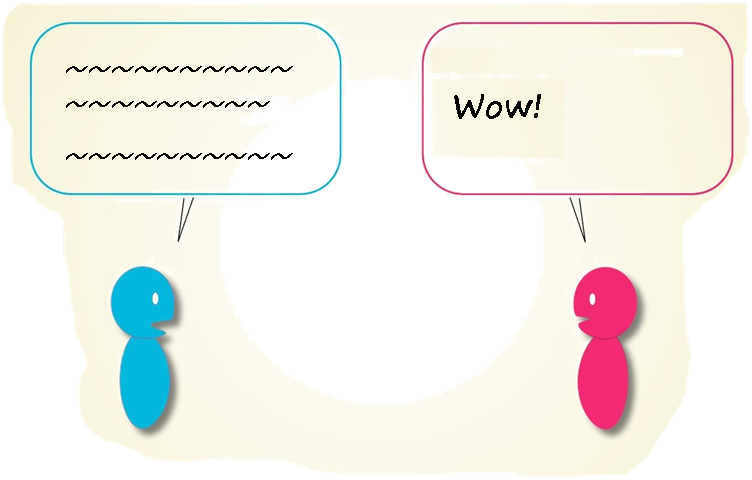 Do you know how to tell a story?
Yes, of course, like everyone else on Earth.
But are you aware of what you are really doing when telling a story?
Probably not...
Let’s illustrate the underlying mechanism
through an example taken from everyday life.
- Sure.
- She installed an automatic night vision camera on her backyard.
Guess what she could film?
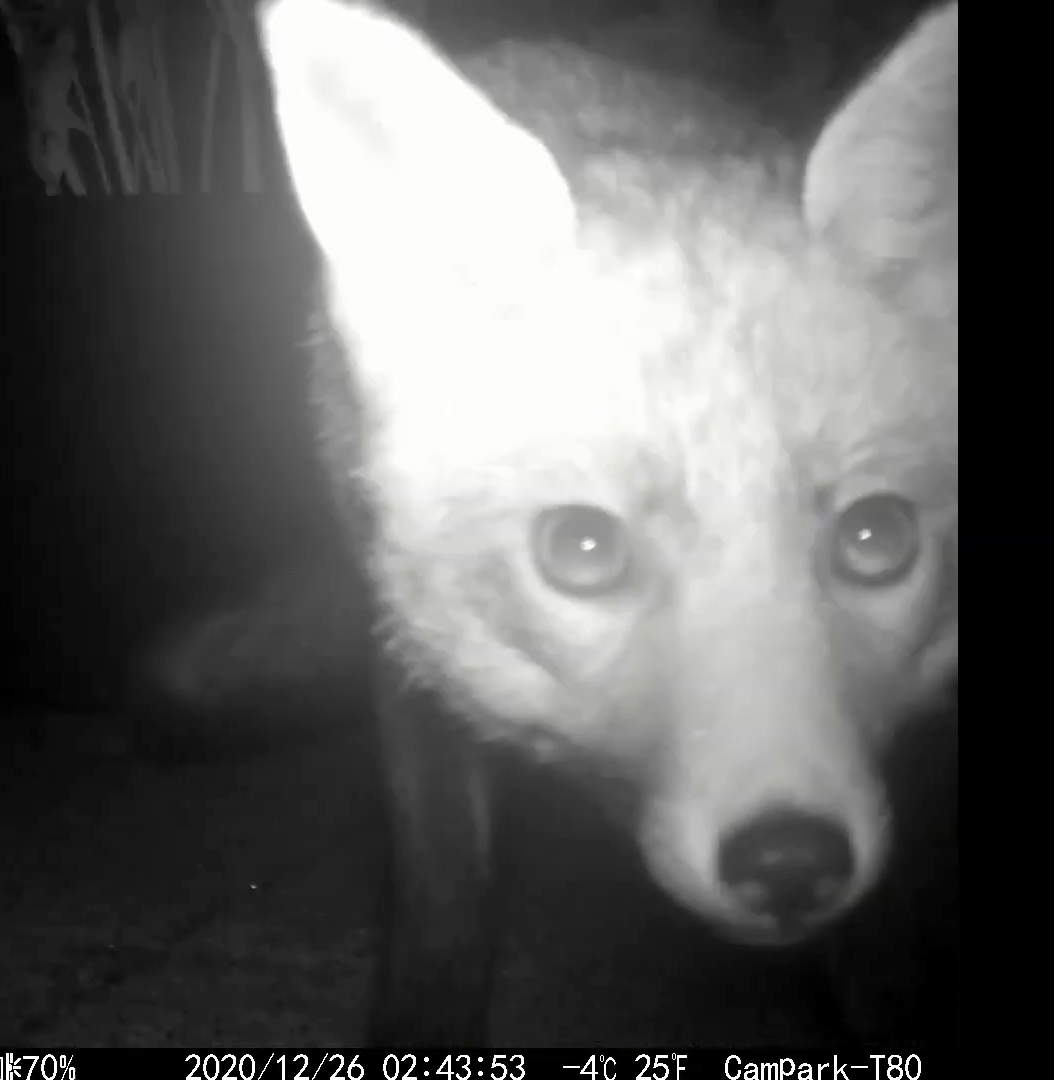 - A hedgehog?
- No, that was a few weeks ago. But I just got this video from her. Look at this!
- Wow! A fox? But doesn’t she live in town?
- Yes. That’s amazing, isn’t it?
a fox visited Jeannine’s backyard two days ago. Now let’s use "features" to describe the event:
- the event involves Jeannine
- the event took place in her backyard
- the event took place two days ago
- the event involves a fox
- the event involves Jeannine
Features can be represented computionally using predicates, as in the Prolog programming language. We may translate the above feature in Prolog’s style as:
involves(S, 'Jeannine').
- the event involves Jeannine
- the event took place in her backyard
- the event took place two days ago
Features can be represented computionally using predicates, as in the Prolog programming language. We may translate the above features in Prolog’s style as:
involves(S, 'Jeannine').
location(S, L), backyard('Jeannine', L).
date(S, -2).
- the event involves Jeannine
- the event took place in her backyard
- the event took place two days ago
- the event involves a fox
involves(S, 'Jeannine').
location(S, L), backyard('Jeannine', L).
date(S, -2).
involves(S, F), fox(F).
involves(S, 'Jeannine').
location(S, L), backyard('Jeannine', L).
date(S, -2).
involves(S, F), fox(F).These features act as constraints on situation s. Let’s represent them as predicates fi(s) that are regarded as being true about situation s.
(and the difference measures how unexpected it is). Unexpected features contribute to making situations interesting.
involves(S, 'Jeannine'). The above feature is not unexpected. The balance is even negative: there is no causal cost, while the mention of ‘Jeannine’ costs a few description bits
(not much, crucially, as she is a close acquaintance).
involves(S, 'Jeannine').
location(S, L), backyard('Jeannine', L).
date(S, -2).
Same thing for location in time and space.
involves(S, 'Jeannine').
location(S, L), backyard('Jeannine', L).
date(S, -2).
involves(S, F), fox(F).Now here comes the climax of the story.
The notion of ‘fox’ is not descriptively very costly.
However, it demands complex circumstances to become true, if one knows that Jeannine lives in town
(what would bring a fox to venture that deep through the city?).
involves(S, 'Jeannine').
location(S, L), backyard('Jeannine', L).
date(S, -2).
involves(S, F), fox(F).The complexity drop between causality and description makes the event unexpected, and thus interesting. The initial mention of Jeannine and her backyard are descriptively (slightly) costly, but they are essential to make causal complexity large.
involves(S, 'Jeannine').
location(S, L), backyard('Jeannine', L).
date(S, -2).
involves(S, F), fox(F).
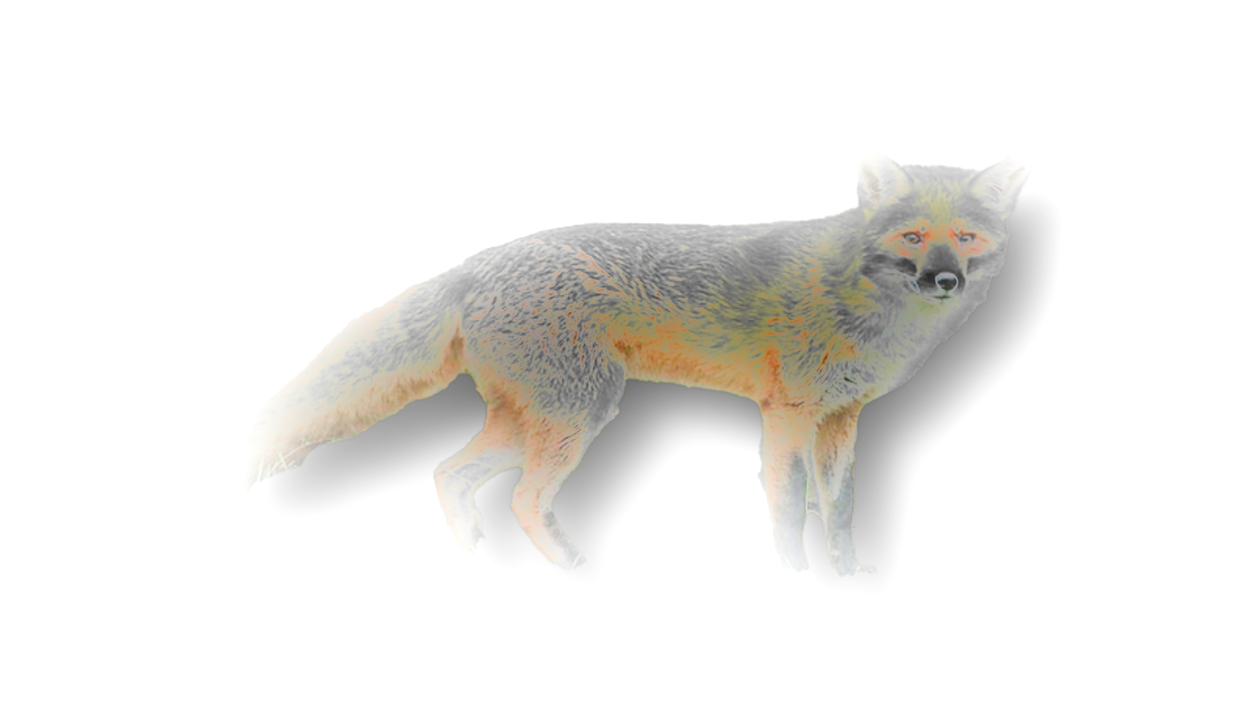 The dialog continued with a tentative explanation: the fox would have taken advantage from the general lockdown associated with the Covid-19 crisis to venture into the city. Note that the effect of the explanation is to diminish causal complexity, making it "2nd order-relevant" (more on this there).